
On certain platforms, an isolated comment can trigger thousands of responses in less than twenty-four hours. In these digital spaces, the boundary between the club and its supporters diminishes, sometimes even influencing internal decisions. Discussions are no longer limited to sports results: they touch on management, communication, and even the reputation of teams. The traditional structure of fandom is being disrupted by these new modes of interaction. The voice of fans is gaining weight and is becoming a permanent part of the clubs’ strategies, redefining the relationships and expectations of each stakeholder.
When forums transform sports passion into a living community
In the digital age, online sports forums are no longer just for discussing scores. They unite, mix ideas, and quickly become the lifeblood of an entire community. Nearly two-thirds of sports fans now gather there to share, debate, or simply get involved in the life of their club. Take the ASBH forum for example: much more than a discussion space, it is built thread by thread as a collective memory for all those who are passionate about rugby, the club’s training, and daily decisions.
This phenomenon can be measured by spontaneous participation: everyone enriches the content, creates the atmosphere, nuances, contests, or supports. Moderators, usually passionate volunteers, ensure the balance of exchanges, courtesy, and openness, while leveraging digital technologies to welcome varied contributions and ease tensions. Clubs observe this ecosystem closely, as these digital forums bring forth expectations, criticisms, or support that can concretely influence decision-making.
In these spaces, the following characteristics structure belonging:
- Reinforcement of identity: languages, recurring codes, and memories etched by members cement the online community.
- Inclusion and diversity: regardless of profile, every participant finds the opportunity to express themselves and integrate.
- Mutual aid and progression: advice, tactics, or encouragement circulate, driven by the desire to share knowledge and passion for the sport.
This is the entire structure of fandom that is transforming. Everyone has a voice, shaking up the figure of the passive spectator. Now, members and supporters are getting involved, influencing the direction or image of their team. These digital spaces become workshops where a reimagined sports culture is shaped day by day.
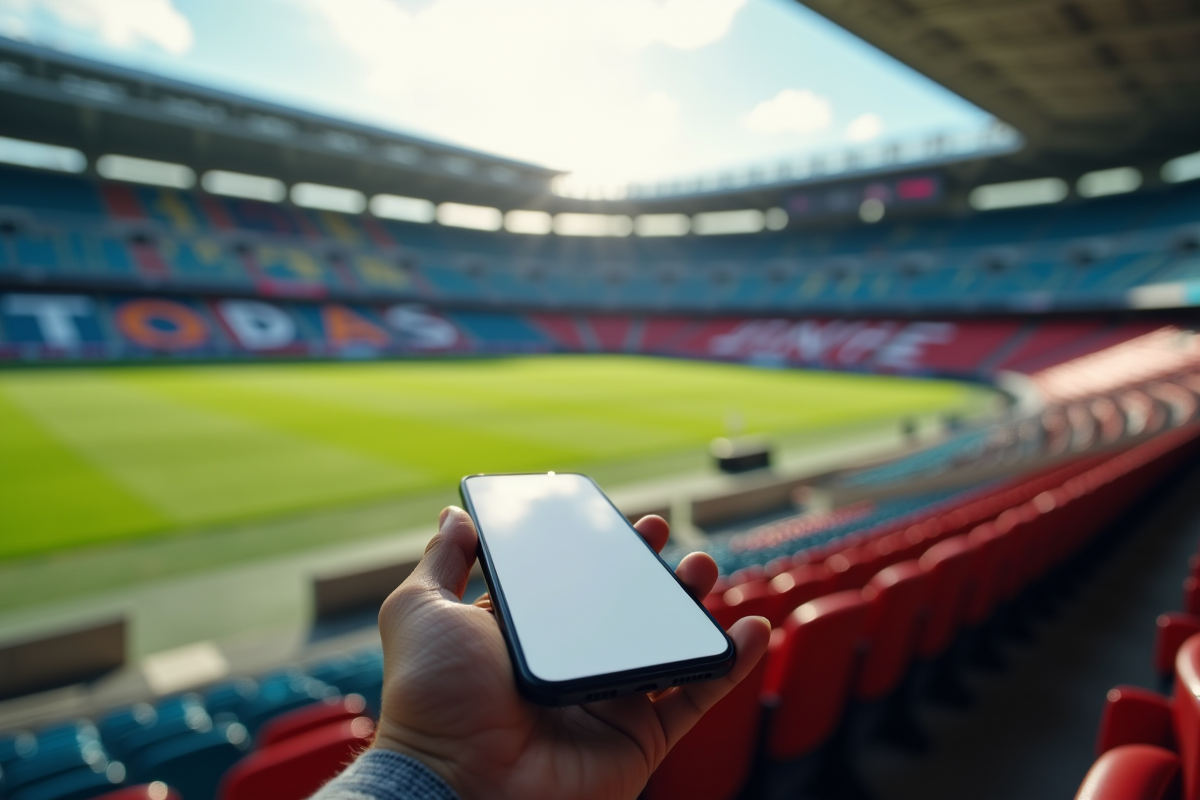
Clubs and supporters connected: how social media redefine fan engagement
In the face of this online excitement, sports clubs have invested in social media to maintain constant contact with supporters. Live events, interviews, exclusive bonuses: their tools are diversifying and emphasizing interactivity. Each new post becomes the stage for passionate exchanges, direct suggestions, and shared analyses, and sometimes, an entire direction of the professional sports club is influenced.
Personalization and gamification are gaining ground in the sports fan experience. Platforms offer FanCards granting access to exclusive events or reserved content. This rewards system energizes participation and locks in loyalty. Meanwhile, sports influencers deploy their energy to amplify the voices of supporters and partner brands, accelerating sports marketing campaigns among increasingly larger communities.
Several levers are reshaping this online involvement:
- Data processing allows for refining each proposal and adapting the marketing strategy almost in real-time.
- Direct distribution of merchandise removes barriers and strengthens proximity to supporters.
- New forms of sponsorship rely on the virality of exchanges, offering brands amplified visibility.
Clubs and supporters exchange, adjust, and reinvent themselves in real-time. Comments, read and analyzed, become valuable indicators for quick action. The interaction between supporters and decision-makers no longer knows barriers. Media analysis and public feedback thus feed into every sports project, altering rhythm, timing, and usage.
A different football, rugby, and basketball are emerging. Connected, inventive, and ultra-responsive, the digital community no longer just vibrates behind a screen: it invests, questions, and shifts the lines, sometimes even writing the very history of the club.