The 2026 edition of the women’s sports calendar is shaking up the usual hierarchy of international competitions. Some disciplines, long relegated to the background, are now among the most publicized events of the year. Educational federations are developing new modules to harness the didactic potential of sports practices in learning French as a foreign language.
At the same time, France is experiencing continuous growth in the number of enthusiasts for extreme sports, while national indicators on walking reveal notable disparities between generations and regions. New tools and initiatives are emerging to support the evolution of practices and promote more active habits.
The major events in women’s sports in 2026: what not to miss
In 2026, women’s sports are asserting themselves with new strength. The World Cup takes center stage, serving as a true springboard for the recognition of athletes. France, driven by a new wave of talent, has clear ambitions and does not hide its determination. Neymar, expected to join the squad for the 2026 World Cup, is already making headlines, while national teams are fine-tuning their preparations and sharpening their strategies.
To keep up with the news and grasp the deep movements shaking the sports world, Les actualités de Bonjour Sportif stands out as a valuable resource. Recently, racist behaviors during a U18 women’s match sparked strong reactions, with OM speaking out publicly. These events remind us that the fight against discrimination remains a daily challenge, and that each sporting event also carries a social dimension that far exceeds the framework of the game.
Here are some of the sporting moments that will mark the year:
- Olympic Games: French women’s teams aim for a prominent place on the podium, illustrating remarkable progress.
- U18 Women’s Championship: this tournament highlights youth and underscores the urgency of ensuring a respectful environment for all.
Analyses, columns, and breakdowns follow one another, unfiltered, to better understand what is happening on and off the fields. Women’s sports are asserting themselves, claiming their place, and continuing their fight, between the quest for performance and the struggle for equality.
What if sports became an innovative lever for learning French? Resources and practical tips
Sport, this language shared by all, is now making its way into classrooms. The Harlem Globetrotters, who are celebrating their centenary during a French tour and stopping in Paris, embody this meeting of gestures, cultures, and words. Their visit generates real enthusiasm for French, with each encounter or interview providing an opportunity to discover new nuances, unexpected expressions, and to engage with the language in a different way.
To strengthen this approach, magazines, whether digital or print, prove to be of great richness. Thanks to the sports magazine selection, reports, portraits, and thematic investigations follow one another. Subscribing offers a regular immersion in vibrant and contemporary narratives, while expanding vocabulary and comprehension. These publications intersect sports achievements, culture, everyday life, and the art of living, creating a bridge between the pleasure of reading and learning French.
Here are some ideas for leveraging sports in language learning:
- Attending commented sporting events allows you to observe the variety of accents and language registers.
- Analyzing athlete interviews, such as those of Marie Martinod, a two-time Olympic medalist in winter sports and involved in local life, helps grasp the subtleties and idiomatic expressions unique to the sports world.
The journey of Edgar Grospiron, president of the organizing committee for the Olympic and Paralympic Games in the Alps for 2030, also provides food for thought. Stability, serenity, continuity: these three axes underpin his project and open the way to a renewed reading of sports language, between narrative and concrete practice.
Extreme sports in France and walking habits: how are the French moving today?
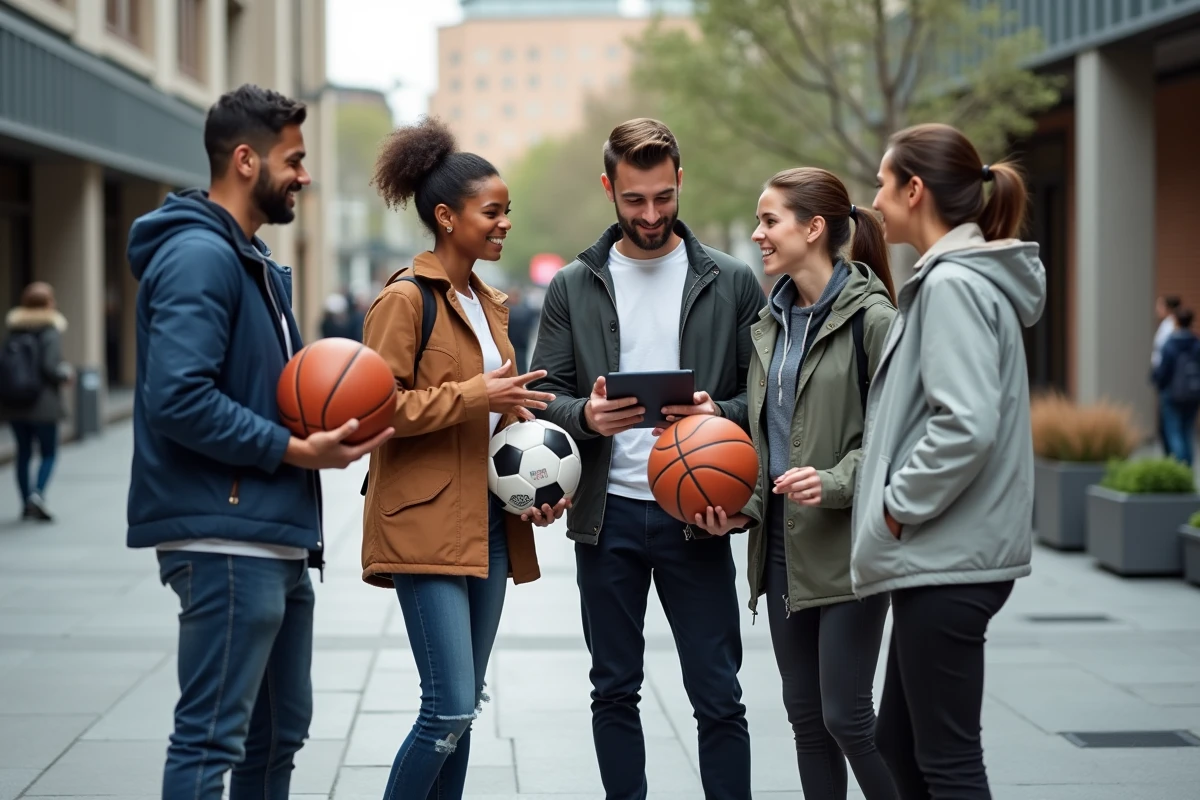
The French sports landscape is evolving rapidly. Extreme sports are gaining ground, driven by athletes like Kauli Vaast, crowned Olympic champion at the 2024 Games and now qualified for the Championship Tour. At the same time, walking is gradually becoming part of the lifestyle of the French, joining cycling, rugby, or football among regular practices. Recent injuries to players such as Le Garrec and Boudehent, both sidelined for the clash against England, remind us of the harshness of high-level competition and the unpredictability that accompanies each sports season.
In gyms, on fields, or in front of screens, eyes are also turning to the NBA: Victor Wembanyama continues to make an impression, named player of the week in the West and a key player in a notable victory against the Celtics. On the courts, Carlos Alcaraz shines at Indian Wells, particularly against Rinderknech, while Paul Seixas attracts the attention of the UAE team in the cycling peloton.
Throughout the streets, in parks, or on trails, walking is captivating more and more French people, becoming a strong marker of new lifestyles. Specialized magazines, whether in print or online, analyze these developments, linking sports practice to daily choices and a renewed vision of well-being. The sporting France, between extreme feats and daily routines, creates a dynamic landscape, where each story fuels the desire to move differently.