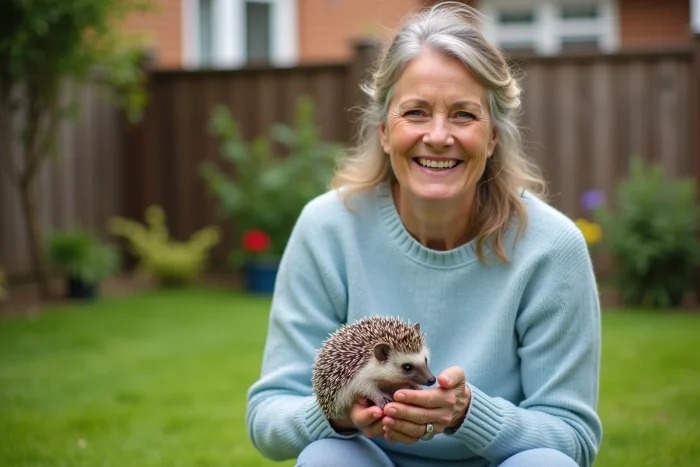
The law has made a clear decision: since January 1, 2024, puppies and kittens will no longer be displayed behind the windows of French pet shops. But while this curtain officially falls on an old model, elsewhere, the reality persists. Far from public view, the illegal trade in animals thrives online, in the shadows of regulations. Outside, the city expands, wildlife retreats, and hedgehogs now cross the headlights of cars at roundabouts. Here, urban space advances, and tension rises between the animal and human worlds.
Every day, shelters are taking in more animals. Organizations do not see an end to the flow of animals left behind: abandoned dogs, cats, and rabbits, sometimes rescued after a crackdown on trafficking. Volunteers, meanwhile, are holding the fort as fatigue sets in. Yet, the demand for adoption persists, a small light in the gloom of a summer where abandonments are skyrocketing. Behind regulatory texts or waves on social media, resistance is organizing through everyday actions and compromises forged on the ground.
What the latest animal news shows
Laws are changing, debates are intensifying, but for those living this reality, daily life does not immediately follow suit. The voices of the National Museum of Natural History are increasingly calling into question the “pest” label hastily applied to certain species, with science itself urging more discernment. In town halls, elected officials are trying to tame these new territories where concrete and wildlife intersect. The gap is striking: regulations always advance faster than the reality on the ground.
Notable events abound, such as the story of the macaque Punch, who garners some headlines before falling back into the invisible routine of shelters. There, every day, men and women take turns caring for, saving, and improvising with dwindling resources.
Recent news has been marked by several concrete aspects:
- Recently published regulations, backed by intense information campaigns, tighten the legal noose around animal trade
- The rulings of the Council of State bring tangible adjustments to the application of rules
- The influx of abandoned animals, or those rescued following the dismantling of clandestine networks, is saturating reception structures
For those who want unfiltered analyses, to cross-check information and follow developments, it is better to discover the Animal News website. This media claims its positions and investigations, without distorting reality or smoothing over the debate.
Why animal protection must be prioritized now
Reports are clear: abuse is not declining, numbers are still rising, progress is announced but remains fragmented, hindered by the state of the ground. Scientists from the National Museum of Natural History are raising their voices. Urbanization is eroding spaces, online trade is circumventing laws, all of which are pressures that weaken too many species. At the same time, the climate crisis is disrupting benchmarks: ravaged habitats, forced migrations, populations pushed to the margins. Against this backdrop, veterinarians are denouncing outdated experimentation protocols, groups are rising against industrial farming, while in neighborhoods, citizens are testing responsible alternatives rooted in local reality.
To grasp the concrete challenges currently facing animals, one can refer to the following table:
| Vulnerability Factors | Direct Consequences |
|---|---|
| Deforestation, urbanization | Loss of habitat, human-animal conflicts |
| Climate change | Extinction and forced migration |
| Illegal trafficking | Scarcity, disappearance, animal suffering |
Dreaming of a transformation that falls from the sky is not feasible. Everyone can make a difference at their level: adopting rather than buying, checking the origin of what they consume, donating their time or sharing reliable information, all of this bears more fruit than one might imagine.
How to take concrete action for animals
Defending the animal cause is primarily about moving forward step by step. Taking the time to inform oneself, questioning purchases, joining an organization, reflecting on the commitment that adoption represents. Every gesture counts, none is negligible.
To be convinced of this, it is enough to look at some easy actions to undertake:
- Turning to adoption through serious organizations, giving a new chance to a pet marked by separation
- Relaying awareness campaigns around oneself to create a dynamic of change through discussions
- Consuming with more discernment, reducing the appeal of intensive farming and prioritizing responsible channels
A simple visit to a shelter is sometimes worth a thousand speeches. Organizing a spontaneous collection among neighbors, lending a hand to a local initiative, or relaying a call from an organization are all small acts that add up. Over time, these gestures weave a network of commitment that exceeds the sum of its parts. Ultimately, the space we give to animals in our cities will tell the story of our society, our choices, and the future we are willing to defend for all species that share our space.